
Living with back pain from spinal stenosis or degenerative disc disease can feel like your spine has turned into a grumpy old landlord—constantly pinching nerves and making you miserable. But the good news? You don’t have to live hunched over a grocery cart forever.

I’m Dr. Shawn, Your PT Guy, and today I’ll show you five exercises that open up space in your spine, ease nerve pressure, and keep you moving safely.
Speaking of staying safe, I also invite you to check out my Fall Proof Webinar, where I teach practical strategies to keep you independent and out of the ER.
What’s Going on With Spinal Stenosis Anyway?
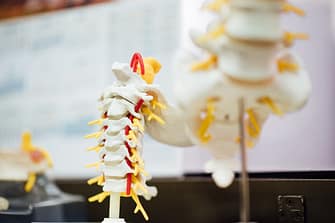
Spinal stenosis is like rush-hour traffic inside your spine: the bony structures keep growing, narrowing the lane, and your poor nerves are stuck honking for relief. Degenerative disc disease adds to the chaos, flattening those nice cushiony discs until the nerves get pinched.
When you lean forward (like over a grocery cart), the nerves get more breathing room. When you stand tall and lean back—smush!—those nerves get pinched again. That’s why standing too long or walking upright makes it worse.
5 PT-Approved Exercises for Relief
1. Posterior Pelvic Tilt
Think of this one as “anti-smush.” Lie down, bend your knees, and press your lower back flat into the bed. Hold, release, repeat. Ten reps. (My explanation might be great...but it's a whole lot easier to understand if you watch the video above.)
2. Pelvic (Knee) Dips
Add some side-to-side motion. Do the posterior tilt we talked about, then gently drop both knees to one side, keeping shoulders flat. Hold 30 seconds, switch. Repeat (3 sets).
3. Single or Double Knee to Chest
Hug one knee (or both) up toward your chest while keeping your back flat. Hold 30 seconds or four deep breaths, three times each side. Bonus: relieves tension without wrecking your knees.
4. The Dead Bug (Yes, Really)
Flatten your back, lift your knees, and move opposite arms and legs like a squirmy bug. It’s goofy but golden for your core and spine support. If doing your arms and legs at the same time takes too much coordination for you, just do your legs. Then add your arms later.
5. Table Hang Stretch
With your hips on the edge of a table or bed, let your legs dangle down. Gravity does the work, opening up space in your spine. Two minutes max—otherwise your family may think you’ve fallen asleep face-down. (I know it feels good, but don't forget to breathe.)
Bonus Stretch: Piriformis Stretch
Cross one ankle over the opposite knee in a figure-four. Gently push then pull to stretch your hip and low back. Then switch sides. Feels fantastic.
Why These Exercises Work
Every exercise here creates space for your nerves to move, reducing that achy, pinching pain. Do them consistently and you’ll stand taller, walk easier, and—most importantly—lower your fall risk.

And since falls are the #1 enemy of independence, don’t miss my Fall Proof Webinar. It’s full of simple, practical strategies you can start today.
FAQs
Q: How often should I do these exercises?
A: Daily, if possible. Start slow—your spine will thank you.
Q: Can these exercises cure spinal stenosis?
A: No “cure,” but they significantly reduce pain and improve function.
Q: Are these safe for older adults?
A: Yes! Just move carefully, and consider having a chair nearby for balance.
Q: How else can I reduce fall risk?
A: Excellent question. I already talked about the Fall Proof webinar, but if you're interested in specific ways to reduce fall risk at home, my book, Don't Fall reveals 101 ways to reduce your fall risk at home.