
The upright walker: it promises better posture, improved mobility, and even a tiny boost in confidence. But let’s be real—it can also turn a stroll down the hall into a near-Universal Studios ride if used incorrectly. I’m Dr. Shawn, Your PT Guy, and today we’re breaking down everything you need to know before hopping on one of these four-wheeled contraptions called upright walkers.
What is an Upright Walker?
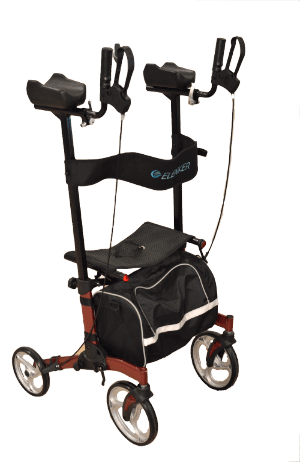
At first glance, it looks a lot like a rollator—four wheels, brakes, a seat, and a basket in the front. But the real magic is in the forearm rests. These are designed to help keep your posture upright, preventing that dreaded forward hunch that causes trips, falls, and backaches.
By staying upright, your hips open up, your legs lift properly, and you can strike the ground heel-first—basically, walking 101 done right. No more dragging your feet or clipping your toes on rugs (yes, those pesky little things).
Advantages of Upright Walkers
- Posture Support: Keeps your back straight and your shoulders proud, perfect if you’ve spent years hunched over smartphones or laptops.
- Hip Mechanics: Helps you lift your feet correctly, preventing trips.
- Seat for Resting: Sit without a bench nearby—just remember to park it against something solid.
- Storage Basket: Great for your portable oxygen, books (Don't Fall is a good one), or even a tiny hedgehog (I won’t judge).
- Big Wheels: Navigate cobblestones, tiles, and rugs with less struggle.
Proper Use: Don’t Be That Person
- Adjust the Armrests: Stand tall, bend your elbows slightly, and place your forearms on the rests. Not too high, not too low—comfort is key.
- Brakes are Life: Always test and lock brakes before sitting. Never park it in the middle of the room!
- Sitting and Standing Safely: Approach a wall or curb, lock the wheels, sit down, and when standing, push yourself up carefully before unlocking.
- Slopes and Uneven Surfaces: Use the brakes and zigzag if needed. Do NOT race after your spouse when they’ve baked something yummy.
Hidden Dangers
- Fixed Forward Posture: Some people’s bodies are already set in a flexed position. Using an upright walker can tip them backward, creating a serious fall risk.
- Incorrect Sitting: Locking the walker improperly or trying to sit in the middle of a room? Recipe for disaster.
- Being Pushed: Never, ever allow someone to push you while sitting in the upright walker—it can easily tip forward or backward.
- Loose Brakes on Slopes: Always check your brakes; one wrong move on an incline can send you flying.
Conclusion
Upright walkers are fantastic tools for improving mobility, posture, and balance—but only if you’re ready for them. For some people, especially those with fixed flexed posture or poor balance, they can be risky. Work with a physical therapist to ensure you’re using the right walker for your needs.
And remember: whether you’re rolling with a rollator, upright walker, or just your own two feet, the goal is to stay safe, prevent falls, and maintain your independence.

That's why I created my free fall prevention training. Watch the webinar to learn 3 Secrets to a Fall Proof Life so you can stay independent...for life.
Walkers I recommend:
- Elenker Upright Walker
- Original Upright Walker (Premium Lite Version)
- Drive Rollator Walker Nitro (large wheels)
- Two-Wheeled Walker with Easy Fold Up Drive Medical
- Drive 3-Wheeled Rollator Walker
- Four-Wheeled Rollator Walker by Drive Medical
Q: How else can I reduce fall risk?
A: Excellent question. I already talked about the Fall Proof webinar, but if you're interested in specific ways to reduce fall risk at home, my book, Don't Fall reveals 101 ways to reduce your fall risk at home.